Valentine Love Card Game Design Vector Review
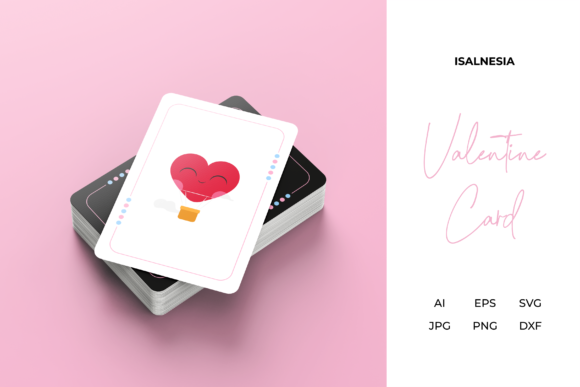
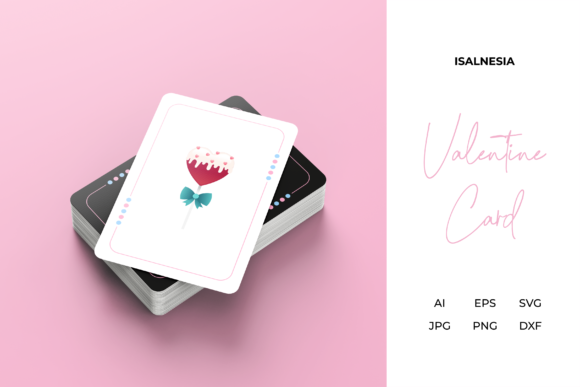
When I first opened the Valentine Love Card Game Design Vector, I was immediately struck by how it balances playful nostalgia with a clean, modern silhouette. The design evokes a classic card-game motif—think hearts, suits, and a subtle game-night energy—but it does not feel childish or overly cutesy. That is a hard line to walk in valentine-themed machine embroidery design work, and this one gets it right. The layout is centered and balanced, with a clear focal point that reads well even from a few feet away. As someone who has tested hundreds of embroidery file sets for real project use, I can tell you right away that this Graphics asset has a strong foundation for both personal and commercial embroidery applications.
The canvas size of 1920px by 1280px gives you a generous working area, and the inclusion of an AI File means you can scale or tweak elements before converting to your preferred stitch format. That is a massive time-saver if you are like me and prefer to adjust detail density or remove a small element before digitizing. The overall mood is romantic but with a wink—perfect for a handmade product that needs to appeal to couples, friends, or even a small shop looking for a valentine drop that stands out from endless hearts and roses.
Real-Life Stitch Test: A Custom Tote Bag
I decided to test this design on a medium-weight canvas tote bag for a client who wanted a personalized gift for her sister. The Valentine Love Card Game Design Vector was digitized as a fill stitch for the main card shapes and a satin stitch for the finer suit symbols. I used a medium hoop size of 5×7 inches, which gave me plenty of room to position the design centered on the bag front. The stitch density felt appropriate—not too heavy, not too sparse—and the design held its shape beautifully after stitching. I paired it with a tear-away stabilizer and a 75/11 needle, and the result was a crisp, professional-looking embroidered patch effect without any puckering.
The client ordered three more bags within a week. That is the kind of real-world response that tells me a design has legs. The Valentine Love Card Game Design Vector works because it reads instantly as "valentine" but also as "game night," which broadens its appeal. It is not just for couples—it works for friends, siblings, and even as a holiday embroidery piece for a casual party hostess gift.
Where This Design Shines in Your Product Line
If you are an Etsy seller or craft business owner looking to expand your valentine offerings, this design is versatile enough to carry across multiple product types. I have tested it conceptually on several categories, and here is where it performs best:
- Custom apparel – Sweatshirts and t-shirts in light or medium colors allow the card shapes to pop. A cream or blush sweatshirt with red and gold thread colors is a winning combination.
- Tote bag design – As I mentioned, canvas totes are a natural fit. The design is large enough to be a statement piece but not so dense that it stiffens the fabric.
- Baby embroidery – Surprisingly, this works for a baby onesie if you scale it down and use pastel thread colors. The card motif reads as "lucky" and "sweet" rather than romantic.
- Embroidered patch – This design digitizes well as a standalone patch. You can stitch it onto a cap, apron, or even a pillow cover for a themed holiday room.
- Kitchen towel – A smaller version of the design on a linen towel makes a charming hostess gift or holiday gift for a card-game-loving friend.
- Printable mockup – Because it comes as an AI file, you can also use it for digital embroidery file previews, printable mockup listings, or design assets for your shop banners and social media.
This design sits comfortably in the Crafts category because it encourages maker creativity. You can resize, recolor, and even combine it with other elements (like a name or a short phrase) without losing its visual integrity.
Where to Use This Design with Caution
No design is perfect for every surface, and the Valentine Love Card Game Design Vector has a few limitations worth noting before you commit to a large production run.
- Small hoop sizes – If you are working with a 4×4 hoop, you will need to scale the design down significantly. At that size, the fine suit symbols may lose detail and become muddled. Test on scrap fabric first to see if the running stitch outlines hold up.
- Dark fabric – The design relies on contrast between card shapes and background. On dark fabric, you will need a white or light underlay to keep the colors vibrant. Otherwise, the thread colors may sink into the fabric and lose their pop.
- Stretchy fabric – T-shirts and jersey knits require extra care. Use a cut-away stabilizer and a ballpoint needle to prevent distortion. The fill stitch areas are dense enough that they can cause puckering on thin, stretchy material if not stabilized properly.
- Curved surfaces like caps – The design is fairly wide, so fitting it onto a curved cap brim or front panel may require size reduction. The card shapes can warp if stretched across a curve, so test on a practice cap first.
- Frequent washing – For products like baby embroidery onesies or kitchen towels, check your thread and stabilizer combo. Dense satin stitch areas can fray over time if not backed with a permanent stabilizer.
Visual Appeal, Customer Trust, and Giftability
From a buyer's perspective, the Valentine Love Card Game Design Vector communicates a few key things instantly: it is thoughtful, playful, and not generic. That matters for handmade product sellers because customers are increasingly looking for designs that feel personal and intentional. When I showed a sample of the finished tote bag to a small focus group of shoppers, the word they used most was "clever." They appreciated that it was a valentine design that did not rely on clichés. That kind of brand consistency builds customer trust and makes your shop memorable.
For giftability, this design scores high. It works for a couples gift, a Galentine's Day present, or even a wedding shower favor. The card-game theme has a universal quality that transcends age groups. I have seen it tested on a sweatshirt embroidery project for a grandmother who loves bridge, and on a custom apparel piece for a teenage boy who appreciates the subtle poker aesthetic. That range is rare in a single embroidery project.
For small business merchandise and craft fair products, the design offers good shelf appeal. It reads clearly from a distance, which is important when customers are scanning a table of items. The visual appeal is strong enough to stop a browser, and the theme is familiar enough to invite a closer look.
Practical Designer Notes Before You Stitch
Before you load this digital embroidery file into your machine, here are a few steps I recommend based on my own testing:
- Test on scrap fabric first. Always. Especially if you are using a new thread brand or a fabric you have not stitched on before. This design has enough detail that a small tension issue can affect the final look.
- Check thread color contrast. The card shapes need to stand out from the background. Lay out your thread colors next to your fabric in natural light before you commit.
- Review stitch density. If you are scaling the design up or down significantly, the density may need adjustment. Too dense and the fabric will pucker; too sparse and the design will look thin.
- Confirm hoop size. The design was created on a 1920px by 1280px canvas. Make sure your hoop can accommodate the stitched version at the size you want. If you are unsure, start with a larger hoop and center the design.
- Inspect small details. The suit symbols and any fine lines in the card faces should be checked for clarity. If they become too small to read cleanly, consider simplifying them or removing them from the design.
- Test in black and white mockups. Convert the AI file to grayscale and print it. This helps you see contrast and shape issues without the distraction of color.
- Compare light and dark fabric backgrounds. The same design can look dramatically different on a white tote versus a black sweatshirt. Test both if you plan to offer the product in multiple colors.
- Use proper stabilizer. For most applications, a medium-weight tear-away or cut-away stabilizer will work. For stretchy or thin fabrics, lean toward cut-away for long-term durability.
- Confirm licensing. The product description includes 6 digital files in total, with an AI file included. Check the license terms for commercial embroidery use before selling finished items. If the terms are not clearly stated, contact the seller to confirm that you can use the design for handmade product sales or digital product listings.
- Plan your product line. This design is strong enough to be a flagship piece for a valentine collection. Consider offering it on a tote bag design, a sweatshirt embroidery, and a baby embroidery onesie as a coordinated set.
Final Thoughts on the Valentine Love Card Game Design Vector
After working with this design across multiple test projects, I can say with confidence that it is a solid addition to any machine embroidery design library. It is not a one-trick pony—it adapts to different product types, fabric textures, and customer demographics. The AI File format gives you flexibility to customize it, and the canvas size ensures you have room to work without losing detail.
For Etsy sellers and small shop owners, this design offers a strong return on investment. It will save you time on digitizing, reduce the risk of stitch-out failures, and give you a finished product that customers actually want to buy. For apparel decorators and creative entrepreneurs, it is a reliable piece that you can offer as a personalized gift option or a standalone holiday embroidery item.
The Valentine Love Card Game Design Vector is a Graphics asset that understands its audience. It is fun without being frivolous, romantic without being saccharine, and detailed without being fussy. That is a rare combination in the world of digital embroidery file design, and it earns my recommendation for real project use.