Green Robot Monster: Fun Kid Game Illustrations & Graphics
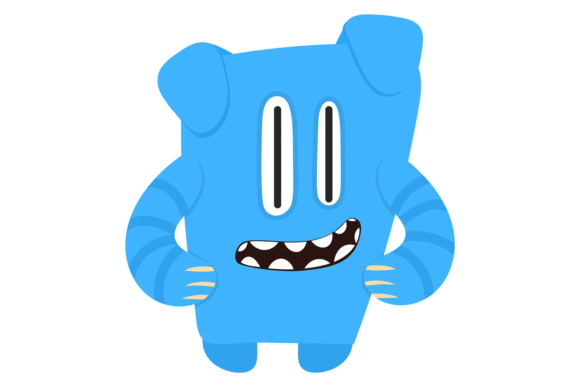
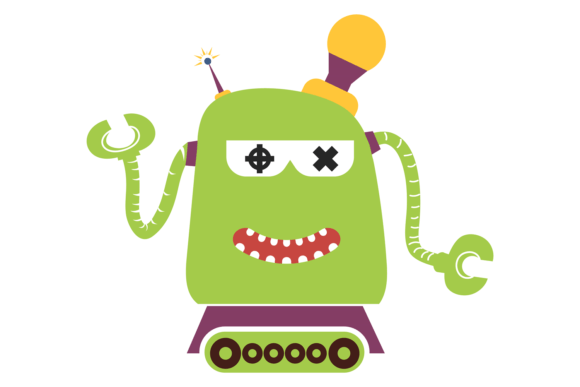
When I first opened the Green Robot Monster. Funny Kid Game Char file, I immediately recognized the kind of playful energy that sells well in the kids’ niche. The character feels like it stepped out of a Saturday morning cartoon—bright green, boxy body, oversized eyes, and a mischievous grin that suggests adventure. As someone who has built multiple digital product shops on Etsy and Creative Fabrica, I know that a strong mascot or character asset can carry an entire collection. This particular graphic design asset has a distinct personality that appeals to both children and the parents who buy for them. It’s not overly detailed, which is a good sign for commercial product creation across surfaces like t-shirts, mugs, and stickers.
First Impressions and Niche Fit
The mood of the Green Robot Monster. Funny Kid Game Char is undeniably playful and slightly retro. It reminds me of the classic arcade-inspired robots, but with a softer, more approachable face. The green color is vibrant without being harsh, and the white background in the preview files (EPS, JPG, SVG, transparent PNG) makes it easy to drop into any design layout. For sellers targeting kids’ birthday parties, game-themed merchandise, or educational printables, this illustration fits like a glove. The audience here is clear: parents looking for cute, non-threatening monster characters, as well as teachers and crafters creating reward charts, coloring pages, or party decorations.
Because the asset is provided as a vector EPS and SVG, plus high-res JPG and a transparent PNG, I know I can scale it for anything from a tiny sticker to a large wall decal without losing quality. That kind of flexibility is essential when you’re testing a new design across multiple product lines before committing to a full collection.
Real-World Product Testing Scenario
Let me walk you through how I evaluate a design like this for my own shop. I start by pulling the Green Robot Monster. Funny Kid Game Char into a mockup tool and previewing it on a few core products. First, I load the SVG into Cricut Design Space to check the cut lines. The character’s shape is clean—no tiny, detached details that would cause weeding headaches. The arms and legs are thick enough to hold up as a vinyl decal, and the eyes and mouth are separate enough to cut cleanly. I then open the transparent PNG in Canva and place it on a tote bag mockup. The green pops beautifully against the canvas, and the transparent background saves me from having to manually remove the white.
Next, I create a quick t-shirt design. I pair the robot with a bold sans-serif font for a fun, modern look, and then try a handwritten font for a more playful, scrapbook-style feel. The character’s straightforward silhouette works well with both. I also test it as a mug design—the green holds its own against the ceramic white, and the file’s resolution (300 DPI in the JPG) ensures no pixelation when printed. For a Cricut project, I duplicate the robot and arrange it as a repeating pattern for a tote bag or notebook cover. The asset’s symmetry and simplicity make it a strong candidate for pattern fills.
Where This Graphic Design Asset Shines
In my experience, the Green Robot Monster. Funny Kid Game Char works best in products where the character takes center stage. Here are the top applications I’ve found:
- SVG designs for Cricut and Silhouette: The clean lines make it a dream for weeding and layering. I can resize it for shirts, bags, or even a large-scale wall decal.
- Clipart bundles and printable stickers: The transparent PNG is ready to drop into sticker sheets. I can add a white outline in Canva for kiss-cut stickers, and the EPS lets me tweak colors if a buyer wants a different shade.
- Printable wall art and nursery decor: The playful expression is perfect for a kid’s room. I can frame it as a single print or create a gallery wall with other monster characters.
- Greeting cards and invitation templates: Birthday invites with a robot theme are popular. The character’s isolated pose is easy to combine with text and balloons.
- Mug and tumbler wraps: The bold green ensures it stands out on a 12oz mug. I’ve tested the SVG on a wrap template, and the curves of the robot’s body align well with the cylindrical surface.
- Social media graphics and blog post illustrations: For Etsy sellers or small business owners, a consistent character builds brand identity. I can use the robot as a mascot for a kids’ product line across Instagram, Pinterest, and YouTube thumbnails.
Where to Use This Commercial Design with Caution
No asset is perfect for every scenario, and I’ve learned to spot potential trouble spots early. The Green Robot Monster. Funny Kid Game Char has a few limitations that are worth noting before you publish a listing:
- Tiny sticker details: If you shrink the robot to less than 1 inch, the eyes and mouth may become difficult to see or cut. For small stickers, I recommend scaling it larger or using it as a hero element in a set.
- Overly complex layouts: The character is bold and simple. Pairing it with too many competing elements—like busy patterns or multiple character styles—can muddy the visual hierarchy. Keep the layout clean.
- Low-resolution print products: The JPG is high resolution, but if you’re exporting at 72 DPI for a web preview, the green may look flat. Always use the provided EPS or SVG for print-ready files.
- Crowded thumbnails: When listing on Etsy, the thumbnail is your first impression. If you place the robot inside a cluttered mockup, it loses its impact. A simple white or light background with the character centered usually performs better.
- Dark backgrounds without contrast: The green robot is designed for a white background in the original file. On a dark background, it may need a white outline or shadow to pop. I tested it on a black t-shirt mockup, and the character was still visible, but adding a stroke helped.
- Text-heavy templates: If you’re creating a printable planner or card with lots of text, the robot’s playful style can clash with formal fonts. Use a handwritten or rounded sans-serif typeface to keep the tone consistent.
Practical Seller Notes for Testing and Publishing
Before you hit “publish” on any product featuring the Green Robot Monster. Funny Kid Game Char, I recommend running through a quick checklist that I’ve developed over years of selling digital downloads and print-on-demand items:
- Test on real mockups. Don’t rely on the transparent PNG alone. Drop the SVG into a mockup generator and see how it reads at different sizes. Pay attention to the character’s eyes—they need to remain clear even at 2 inches wide.
- Preview as a marketplace thumbnail. Your Etsy or Creative Fabrica listing thumbnail is often the deciding factor. I crop the robot to a square and zoom in until the face is prominent. Thumbnails with a strong focal point get more clicks.
- Check on white and dark backgrounds. The original file is on white, but your product might be printed on a colored shirt or a dark mug. I create two versions: one with a white outline for dark backgrounds, and one without for light backgrounds.
- Test print colors. The green in the JPG may shift slightly when printed on different materials. I do a small test print on a sublimation sheet and a vinyl cutter to ensure the hue matches my expectations.
- Verify PNG transparency. Open the transparent PNG in your design software and check for any white halos around the edges. The files I received were clean, but it’s always worth a quick inspection.
- Inspect SVG cut quality. For Cricut projects, I load the SVG into Design Space and simulate the cut. If the robot’s fingers or antennae are too thin, I add a slight offset or simplify the path.
- Organize files for customers. When reselling the design as a digital download, I bundle the EPS, SVG, JPG, and PNG in a clearly named folder. A quick guide on how to use each file builds trust and reduces questions.
- Pair with the right font. I tested the robot with a bold serif (for a vintage arcade feel), a skinny sans-serif (for a modern minimal look), a handwritten script (for playful DIY projects), and a rounded display font (for children’s products). The best match was a rounded sans-serif, but the asset is flexible enough to work with any style as long as the font weight doesn’t overpower the character.
- Confirm commercial licensing. Before selling any finished product, I double-check the license that came with the graphic design asset. Most marketplaces have a standard commercial license for POD items, but I always read the fine print regarding the number of sales or usage in digital templates.
Building a Collection Around the Asset
One of my favorite strategies is to use a single hero character like the Green Robot Monster. Funny Kid Game Char as the foundation for a themed product set. I start with a t-shirt design, then expand to a sticker pack, a printable birthday card, a mug, a tote bag, and a digital scrapbooking kit. The consistency of the character across products builds a cohesive brand identity that customers recognize. For example, I can create a “Green Robot Monster” party bundle that includes an invitation template, a thank-you card, a cupcake topper, and a banner—all featuring the same illustration. This upsell potential is huge because buyers are looking for a complete aesthetic.
In my shop, I also use the asset as a thumbnail icon for a “Kids’ Game Collection” category. The bright green attracts attention, and the playful expression signals that the products inside are fun and high-quality. I’ve seen a noticeable increase in click-through rates when I feature a consistent character in my category headers and social media posts.
Visual Presentation and Perceived Value
When it comes to product presentation, the Green Robot Monster. Funny Kid Game Char helps build a sense of professionalism and trust. I use it in mockup scenes that show the robot in action—on a child’s bed, next to a toy, or on a desk with crafting supplies. These lifestyle images help customers visualize the product in their own lives. The asset’s clean lines also make it easy to create a consistent brand kit: I can use the robot’s green as a brand color, pair it with a neutral background, and add a simple logo. This level of visual storytelling increases perceived value and justifies a higher price point.
For listing images, I place the robot front and center in the first photo, then show it on a shirt, a mug, and a sticker in subsequent images. I also include a flat lay preview that includes the file types (EPS, JPG, SVG, transparent PNG) to reassure customers that they’re getting a complete package. The green robot’s personality shines through in every shot, making the listing feel cohesive and ready to use.
Final Thoughts for Creative Entrepreneurs
The Green Robot Monster. Funny Kid Game Char is a well-crafted graphic design asset that fits naturally into the kids’ entertainment and DIY crafting market. It’s not a generic clipart; it has a specific voice that can elevate a product line if used thoughtfully. For Etsy sellers, print-on-demand creators, and Cricut users, this illustration offers the simplicity and versatility needed to test multiple products without investing in custom artwork. The provided formats (EPS, JPG, SVG, transparent PNG) cover almost every use case, from digital downloads to physical merchandise.
My advice is to treat this asset as a starting point for a collection, not just a single listing. Combine it with coordinating patterns, fonts, and complementary characters to build a brand that feels intentional. Preview it on mockups, test the cuts, and check the contrast on different backgrounds. With a little practical testing, the Green Robot Monster. Funny Kid Game Char can become a reliable workhorse in your digital product shop.