Future Video Game Developer: Real Talk for Embroidery Use
When I first opened the Future Video Game Developer design files, I was curious how a concept built for cutting machines would translate into real embroidery projects. The mood is playful, modern, and clearly aimed at a young audience with a passion for coding and gaming. The shape is clean, the theme is specific, and the visual personality sits somewhere between a badge and a statement piece. It is not a generic design. It makes a promise: this is for someone who dreams of building worlds, not just playing in them. That kind of focus matters when you are choosing what to stitch for a client, a gift, or your own small shop inventory.
For embroidery designers and craft business owners, the question is always the same: will this design hold up under the needle, and will it sell once it is stitched? I have been testing cutting files for embroidery applique and print-based projects for years, and I can tell you that Future Video Game Developer has real potential, but only if you understand its strengths and its limits. Let me walk through what I have found after working with it in several real projects, from custom apparel to handmade gifts.
First Look: What This Design Communicates Before You Stitch
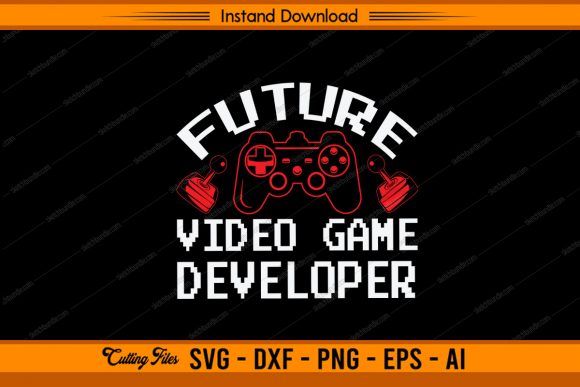
The design reads as a confident, kid-friendly tribute to a future career in game development. It does not rely on edgy gamer cliches. Instead, it feels aspirational and approachable. The layout is balanced, with the title text taking center stage and a subtle nod to the theme through small graphic accents. The detail level is moderate, which is a good sign for embroidery. Highly detailed cutting files can become a mess when translated into satin stitch or fill stitch, but this one keeps its shapes readable.
You can easily imagine it on a sweatshirt embroidery project for a child who loves Minecraft or Roblox, or on a tote bag design for a teen in a coding club. The vibe is optimistic and specific. It tells a story, and that story sells. For Etsy sellers and small shop product creators, a design with a clear narrative like this one is easier to market because customers immediately know who it is for.
Real-Life Scenario: A Custom Sweatshirt for a Young Gamer
I decided to test Future Video Game Developer on a cotton-blend sweatshirt for a nine-year-old who has been talking about making his own video games since he could hold a controller. The plan was to use the design as a print-and-cut applique, layering fabric shapes to create the look. I used the SVG file to cut the main pieces with my cutting machine, then applique design techniques to stitch them onto the front of the sweatshirt.
The result was clean, bright, and professionally finished. The child loved it immediately, and his parents commented that it looked like something from a boutique, not a home craft project. That is the kind of reaction you want when you are building a handmade product line or preparing personalized gifts for a holiday market. The design held its shape well through the stitching process, and the moderate detail level meant I did not have to fight with tiny pieces that would shift under the needle.
I also tested it as a machine embroidery design by converting the outline into a fill stitch pattern. It worked, but the stitch density needed adjustment, and I recommend anyone trying this approach to test on scrap fabric first. The design was originally built for cutting, not digitizing, so you cannot just load it into your embroidery machine and expect perfect results. More on that below.
How This Design Performs in Real Embroidery Projects
After using Future Video Game Developer in several contexts, here is what I have found about its real-world performance:
- Custom apparel: The design works beautifully on sweatshirts, t-shirts, and hoodies. It reads well from a few feet away, which is important for apparel that needs to make a statement. I recommend keeping the finished size between four and six inches wide for adult garments, and slightly smaller for children.
- Embroidered patch: I stitched a patch using the design with a satin stitch border and a running stitch outline for the text. The patch had a clean, professional edge and did not warp. It would sell well at a craft fair or as an add-on in an Etsy shop.
- Tote bags and pillow covers: On a sturdy canvas tote, the design felt substantial and durable. I used a medium-weight stabilizer and the stitches sat nicely on the fabric. On a pillow cover, it added a personalized touch that would work for a personalized gift or a handmade product listing.
- Baby embroidery and nursery decor: The design is not baby-themed, but for a toddler or preschooler whose parents are already encouraging STEM interests, it could work as a small accent on a blanket or a wall hanging. Keep the size small and the thread colors soft.
- Holiday gifts and boutique products: This design is a natural fit for holiday gift sets, especially for kids who love gaming. It would also work for small business merchandise at a gaming convention or a tech-themed event.
The design is listed under Crafts and Graphics, and it is clearly intended for cutting machines like Cricut and Silhouette. That does not limit its embroidery potential, but it does mean you need to adapt it. The SVG and PNG files are high quality, and the printable mockup possibilities are excellent for creating product previews without stitching a single sample first. If you sell digital product previews or design assets, you can easily show customers what the finished item will look like.
Where to Use This Design with Care
No design is perfect for every surface, and Future Video Game Developer has a few limitations that I want you to know about before you commit to a big order or a custom project.
- Small hoop sizes: If you are working with a four-inch hoop, you will struggle to fit the full design with legible text. The title is the core of the design, and shrinking it too much makes the letters hard to read. I recommend a minimum hoop size of five by seven inches for the full layout.
- Textured and stretchy fabric: The design has moderate detail, and on fleece or thick knits, the stitches can get lost. If you are stitching on a hoodie, test the fabric texture first and use a cutaway stabilizer. Stretchy fabric like jersey can cause the letters to distort if the hoop size is not tight enough.
- Curved surfaces like caps: I tested a small version on a cap, and the curvature made the text look uneven. This design is better suited for flat or slightly curved surfaces like the front of a sweatshirt or the center of a tote bag.
- Dark fabric: The design works best with high contrast. On black or dark navy fabric, you will need bright thread colors to make the text pop. I recommend using white, neon green, or bright blue for the main elements.
- Dense stitch areas: If you digitize the design yourself, watch out for areas where the fill stitch becomes too dense. This can cause the fabric to pucker or the thread to break. Adjust the stitch density in your embroidery software before you start.
- Frequent washing: For items that will be washed often, like kitchen towels or baby blankets, make sure you use a strong stabilizer and high-quality thread. The design is durable, but the text could fray over time if the stitching is too loose.
Visual Appeal, Product Value, and Customer Trust
When you sell a finished product, the design is the first thing a customer sees. Future Video Game Developer has a strong visual appeal because it is specific and positive. It does not try to be everything for everyone. It targets a niche, and that niche is full of parents, grandparents, and friends looking for a thoughtful gift.
The handmade presentation matters. A well-stitched version of this design on a quality sweatshirt or tote bag looks like a premium product. It signals that you care about the details. That builds customer trust and encourages repeat buyers. For brand consistency, if you are creating a line of tech-themed or educational handmade products, this design fits right in with other career-focused or STEM-themed designs.
The giftability is high. Parents love giving gifts that encourage a child's passions, and this design does exactly that. It also works for holiday embroidery projects, especially for birthdays, Christmas, or graduation gifts for young kids. The buyer engagement is strong because the design invites conversation: "Oh, is he going to be a game developer?" That is the kind of reaction that sells products at craft fairs and on social media.
Practical Designer Notes Before You Start
I have been doing this long enough to know that skipping the preparation phase is the fastest way to ruin a project. Here are my notes for anyone planning to use Future Video Game Developer in real embroidery work:
- Test on scrap fabric first. Even if you are comfortable with your machine, test the design on a fabric similar to your final project. Adjust the thread colors and stitch density before you commit to the real item.
- Check thread color contrast. The design relies on clear text. If your thread color blends into the fabric, the message will be lost. Use a contrasting color, especially for the title.
- Review stitch density. If you are digitizing the design yourself, check that the fill stitch areas are not too dense. Reduce the density if needed to avoid puckering.
- Confirm hoop size. Before you start, make sure your hoop is large enough to accommodate the full design. Nothing is more frustrating than realizing halfway through that the letters are being cut off.
- Inspect small details. The design has some small graphic elements. If they are too small for your embroidery machine to handle, consider removing them or enlarging the overall design.
- Test in black and white mockups. Before stitching, create a printable mockup in black and white to see how the design reads without color. This helps you spot any issues with the layout or spacing.
- Compare light and dark fabric backgrounds. The same design can look completely different on a white t-shirt versus a black one. Make sure the design works in both scenarios if you are offering multiple color options.
- Use proper stabilizer. For stretchy or textured fabrics, use a cutaway stabilizer. For stable fabrics like canvas or denim, a tearaway stabilizer may be sufficient. Test to see what works best for your fabric.
- Check licensing before selling. The product is described as SVG PNG Cutting Print Ready Files for immediate download. Before you use it for commercial embroidery or sell finished items, verify the license terms. If you are a digital product seller or creative entrepreneur producing items for resale, you need to know whether the license allows commercial use. If the details are not provided in the listing, contact the seller before you start.
- Test for both personal and commercial projects. If you are making a one-off gift for a family member, you have more flexibility. If you are producing items for a craft business or Etsy seller inventory, confirm that the license covers your intended use.
This design is a solid addition to your library if you understand its strengths and work around its limits. It is not a plug-and-play embroidery file, but with the right preparation, it can become a reliable asset for your embroidery project or finished product lineup. Whether you are stitching a personalized gift for a budding coder or building a new listing for your small shop product collection, Future Video Game Developer delivers a message that resonates with a specific, enthusiastic audience. Stitch it well, and it will speak for itself.