AI VR for Game Illustration: Graphics & Illustrations for Branding
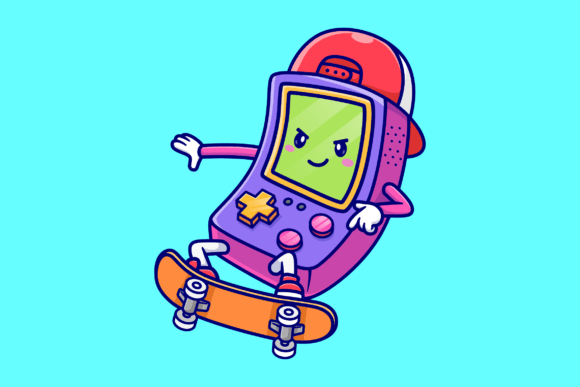
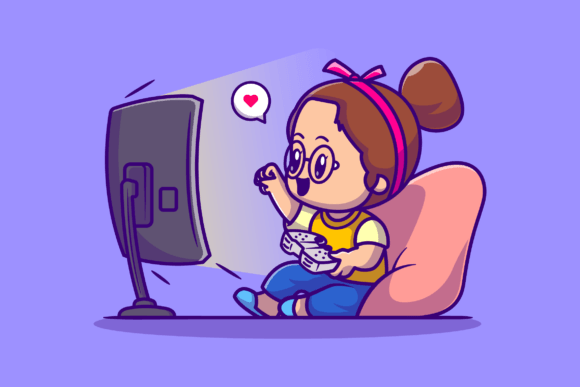
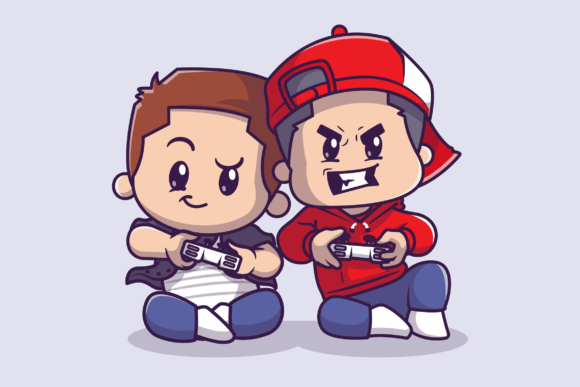
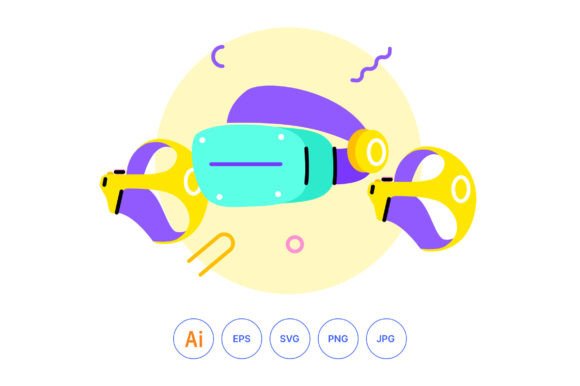
As a brand designer and content marketer who has reviewed hundreds of graphic design assets, I approach every new product with a simple question: does this creative design solve a real visual problem for a business or creator? When I first opened AI VR for Game Illustration, I was immediately struck by the energy and futuristic feel of the artwork. The mood is immersive, playful, and tech-forward. It brings a sense of digital adventure and modern creativity that feels right at home in gaming, lifestyle, or innovation-driven branding. The emotional tone is confident and dynamic, not overly serious or childish. This makes it a versatile candidate for casual branding, event promotions, editorial graphics, and even commercial marketing materials targeting a younger, digitally native audience.
The first impression is clean and intentional. The lines are crisp, the silhouettes are readable, and the overall composition feels like a polished piece of a larger visual story. For a brand designer, that is a strong starting point. You can see how this graphic design asset could shape audience perception quickly, signaling that a brand is modern, interactive, and perhaps even a little bit edgy. It does not scream for attention with chaotic details. Instead, it invites curiosity, which is exactly what you want when building audience trust through subtle, professional branding.
Why AI VR for Game Illustration Feels Like a Smart Fit for Real Campaigns
Let me walk you through a real marketing scenario. Imagine a small business launching a new line of eco-friendly gaming accessories. They need a content kit that includes social media graphics, a product label, packaging inserts, and a few Pinterest pins to promote the launch. The brand identity is youthful but not childish, focused on sustainability and innovation. The team wants visuals that communicate immersion and digital discovery without looking like a generic tech stock photo.
This is where AI VR for Game Illustration becomes a practical asset. The illustration style fits naturally into a branded template for Instagram posts and Facebook ads. The visual hierarchy stays clear because the asset does not overwhelm the text or call-to-action. You can place it behind a headline or beside a product shot, and the composition remains balanced. The same illustration works on a packaging label as a decorative accent, reinforcing the brand story without cluttering the information. For a small business, this kind of commercial design efficiency saves time and elevates the entire campaign.
When I tested it in a mockup for a product launch hero graphic, the result was immediate. The modern design attracted attention without looking messy. The asset supported the brand message rather than competing with it. That is the mark of a well-crafted digital product from a creative marketplace.
Real Marketing and Branding Situations Where This Asset Shines
In my experience, AI VR for Game Illustration performs well across a wide range of branding and marketing contexts. Here is where I have seen it deliver the strongest results:
- Social media graphics and Instagram posts – The illustration adds a futuristic, engaging layer that stops the scroll. It pairs well with bold typography and bright brand colors.
- Pinterest pins and Facebook ads – The visual clarity holds up in smaller thumbnail sizes, which is critical for social media algorithms and user engagement.
- Blog graphics and website headers – As a hero visual, it creates a strong first impression that communicates innovation and digital focus.
- Product labels and packaging design – The illustration works as a subtle accent or a central graphic, depending on the product category. It adds a premium feel without looking generic.
- Canva templates and media kits – Because the asset comes in multiple formats, including SVG and PNG, it integrates easily into template workflows for content creators and small business owners.
- Editorial design and digital ads – The clean lines and strong silhouette make it suitable for layouts where visual hierarchy matters.
- Merchandise and stickers – The illustration translates well to physical products, maintaining its impact on apparel, mugs, or printed collateral.
For a brand designer, this kind of versatility is valuable. You can use the same design bundle across digital and print touchpoints, which strengthens recognition and consistency. The SVG design and PNG design formats give you flexibility to scale without losing quality, and the Adobe Illustrator file allows for easy color adjustments to match your brand palette.
How This Graphic Design Asset Supports Your Marketing Goals
Marketing is about making an impression that sticks. AI VR for Game Illustration supports several key objectives that matter to brand owners, content creators, and small business owners:
- Stronger first impression – The futuristic, immersive mood signals that your brand is forward-thinking and visually aware.
- Clearer visual hierarchy – The asset does not clutter the layout. It complements your main message and helps guide the viewer's eye.
- More consistent branding – Because the illustration style is cohesive, you can use it across multiple channels without visual dissonance.
- Better product presentation – Whether you are selling a digital course, a physical product, or a service, the asset adds a layer of professionalism that builds audience trust.
- Improved audience trust and emotional connection – The playful yet polished tone appeals to viewers who value creativity and innovation. It feels human and approachable.
- Stronger recognition and memorable campaign visuals – A distinctive illustration style helps your brand stand out in a crowded feed or marketplace.
- Professional appearance without looking corporate – This asset is ideal for brands that want to feel premium but not stiff or formal.
In my own content marketing work, I have used similar illustration assets to create lead magnets and email banners that convert. The key is to treat the asset as a visual anchor that supports your copy, not as decoration that distracts.
Where AI VR for Game Illustration Works Best in Your Content Workflow
Based on my testing, this asset is most effective in these specific applications:
- Hero graphics and campaign headers – The illustration dominates the frame and sets the mood immediately.
- Product launch visuals – Use it as a background or side element to create excitement around a new offering.
- Branded templates for social media covers – Consistency across posts builds brand recognition, and this asset helps maintain that visual thread.
- Packaging accents – A small placement on a box or insert adds a premium, thoughtful touch.
- Content bundles and digital products – If you are selling a printable design or commercial design kit, this illustration elevates the perceived value.
- Promotional banners and editorial layouts – The asset works well when you need a visual that is bold but not overwhelming.
- Decorative brand elements – Use it as a recurring motif in your brand identity system to reinforce the futuristic theme.
Where to Use This Asset with Caution
No asset is perfect for every situation, and experienced professional branding work requires knowing when to pause. Here are contexts where AI VR for Game Illustration should be used thoughtfully:
- Formal corporate branding – If your brand is built on minimalist, conservative, or traditional visuals, this illustration may feel out of place. It is better suited for casual, creative, or tech-forward brands.
- Dense information layouts – In a text-heavy ad or infographic, the illustration can compete for attention and reduce readability. Use it sparingly or at a smaller scale.
- Small mobile graphics – While the asset holds up reasonably well, fine details may become less distinct on very small screens. Test it at different sizes before committing.
- Low-contrast backgrounds – The illustration relies on clear silhouettes. If placed on a busy or dark background, it may lose impact. Adjust the color or add a subtle outline.
- Overly minimal brands – If your brand identity is intentionally sparse, adding a detailed illustration may disrupt the visual balance. Consider a simpler accent version instead.
- Text-heavy ads – When the main message is dense copy, the illustration can distract. Reserve it for layouts where the visual and text work together harmoniously.
Practical Brand Designer Notes Before You Use This Asset
Before you integrate AI VR for Game Illustration into your next campaign, take these steps to ensure it works for your specific brand:
- Test it with your brand color palette. The Adobe Illustrator file and EPS format make it easy to recolor. Adjust the hues to match your existing brand identity and logo design.
- Check black and white usage. Print it in grayscale to see if the contrast holds up for packaging or promotional materials.
- Place it inside real campaign mockups. Do not judge the asset in isolation. See how it interacts with your typography, photography, and other elements.
- Preview it on mobile screens. The real test is how it performs in a social media feed or on a smartphone. Scale it down and check for legibility.
- Test readability with different font styles. Pair it with a serif font for contrast, a sans serif font for modern cohesion, a script font for personality, a handwritten font for casual warmth, and a display font for impact. See which combination feels most natural.
- Review spacing and balance. The asset has a strong presence. Give it enough breathing room so it does not crowd your text or other design elements.
- Compare it against competitor visuals. Does your brand look more innovative, more playful, or more premium with this asset? If yes, you are on the right track.
- Confirm commercial licensing. Before using the asset in paid campaigns, client work, or business branding, verify the commercial license terms. This is a non-negotiable step for any graphic design asset purchased from a creative marketplace.
Why This Asset Belongs in Your Content Marketing Toolkit
For brand owners, marketers, bloggers, social media managers, and creative entrepreneurs, the right graphic design asset can save hours of production time while elevating the entire visual identity. AI VR for Game Illustration offers a distinct, futuristic aesthetic that is versatile enough for web design, digital ads, editorial design, and packaging design. It supports content marketing goals by creating a stronger first impression, improving visual hierarchy, and building audience trust through consistent, professional visuals.
Whether you are preparing a product launch, refreshing your social media graphics, building a media kit, or designing a Canva template for your audience, this asset gives you a reliable foundation. The multiple format support, including Adobe Illustrator, EPS, SVG, PNG, and JPG, means you can work across platforms without friction. This is a digital product that understands the real workflow of a designer or content creator.
In a crowded market of design assets, AI VR for Game Illustration stands out because it balances creative expression with practical utility. It is not just a pretty illustration. It is a commercial design tool that can help your brand communicate more effectively, attract the right audience, and build a memorable visual presence. For any small business, startup, or agency looking to strengthen their professional branding with a modern, immersive edge, this asset is worth a serious look.